Generator Leak Repair in Provo, UT
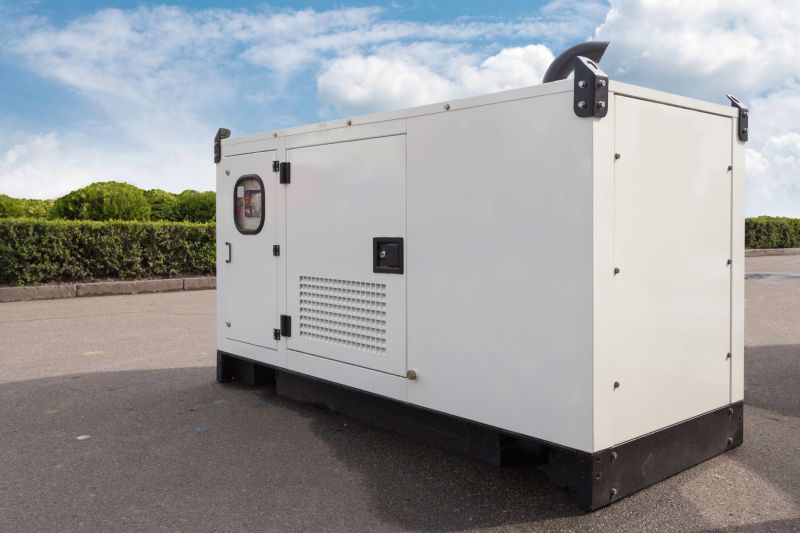
Generator leak repair services address issues related to fuel or oil leaks from standby or backup generators commonly used in residential properties. These services cover a range of projects, including fixing leaks caused by aging seals, damaged hoses, faulty fittings, or corrosion within the generator system. Property owners typically seek this service when noticing puddles beneath the generator, fuel odors, or decreased performance, aiming to prevent potential safety hazards and ensure reliable operation during power outages.
Before requesting generator leak repair, homeowners often want to understand the scope of the repair, the potential causes of leaks, and any necessary inspections or diagnostics involved. It’s also helpful to know what parts or components might need replacement and whether the repair will address the underlying issue to prevent future leaks. Clear communication about the process and expected outcomes can assist property owners in making informed decisions about maintaining their generator systems.
Many property owners in Provo, UT look into Generator Leak Repair for repairs, replacements, upgrades, and appearance-related improvements.
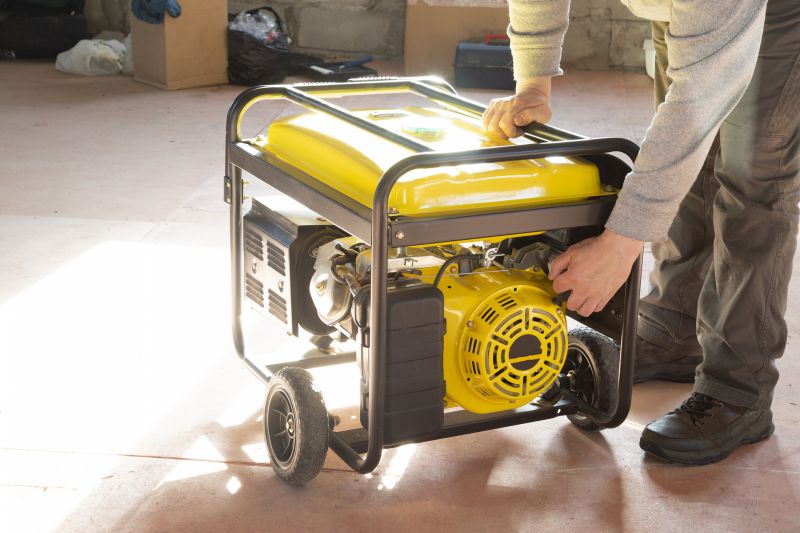
Generator Leak Detection
Identifying the source of leaks in generator systems to prevent damage and ensure proper operation.
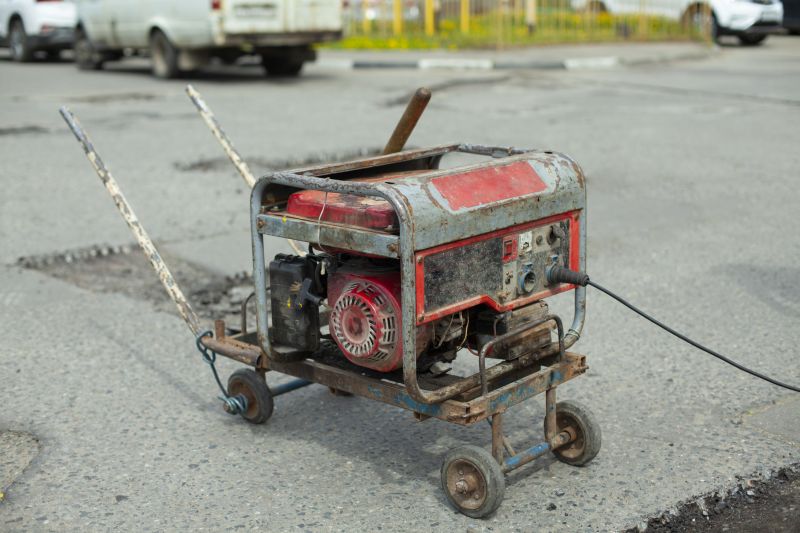
Leak Repair Solutions
Providing effective repairs to stop generator leaks and restore system integrity for homes and businesses.
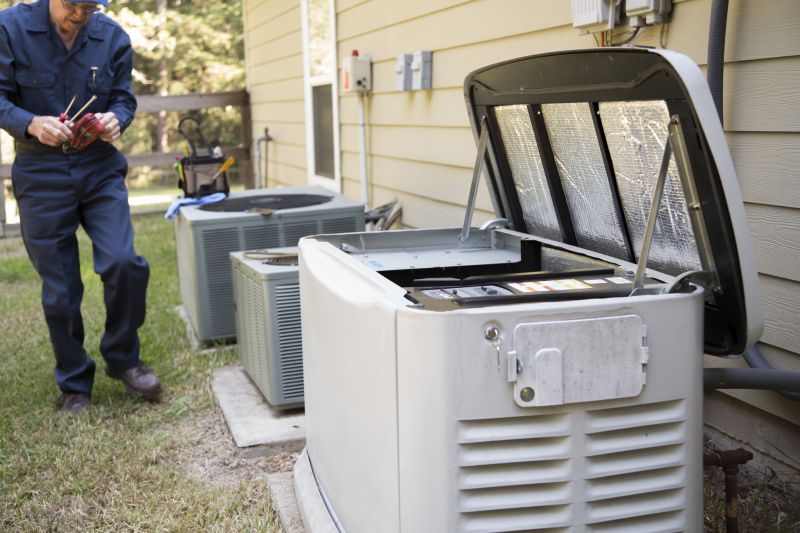
Maintenance And Prevention
Offering routine inspections and maintenance to minimize the risk of future generator leaks in provo, ut.
Generator Leak Repair in Provo, UT
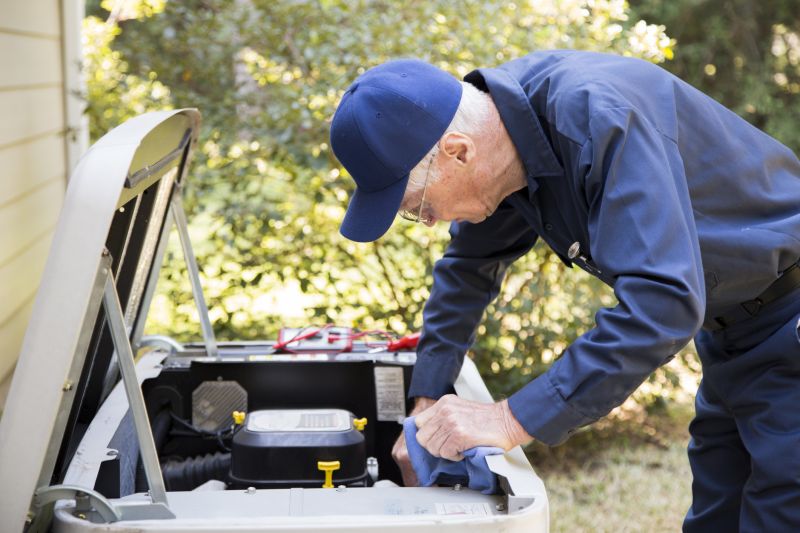
Generator leak repair services address issues related to fuel or oil leaks from standby or backup generators commonly used in residential properties. These services cover a range of projects, including fixing leaks caused by aging seals, damaged hoses, faulty fittings, or corrosion within the generator system. Property owners typically seek this service when noticing puddles beneath the generator, fuel odors, or decreased performance, aiming to prevent potential safety hazards and ensure reliable operation during power outages.
Before requesting generator leak repair, homeowners often want to understand the scope of the repair, the potential causes of leaks, and any necessary inspections or diagnostics involved. It’s also helpful to know what parts or components might need replacement and whether the repair will address the underlying issue to prevent future leaks. Clear communication about the process and expected outcomes can assist property owners in making informed decisions about maintaining their generator systems.
Many property owners in Provo, UT look into Generator Leak Repair for repairs, replacements, upgrades, and appearance-related improvements.
Common Generator Leak Repair Jobs
Generator Leak Repair - addresses leaks that can cause damage and reduce generator efficiency.
Leak detection services - identify the source of leaks in generator systems quickly and accurately.
Seal replacement - restores proper sealing to prevent further leaks and protect electrical components.
Pipe and hose repairs - fix or replace damaged pipes and hoses that may be leaking fuel or coolant.
Drain and vent repairs - ensure proper ventilation and drainage to prevent moisture buildup and leaks.
Preventive maintenance - includes inspections to catch potential leaks early and avoid costly repairs.
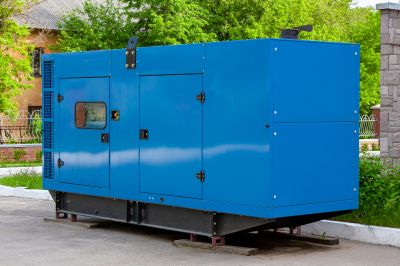
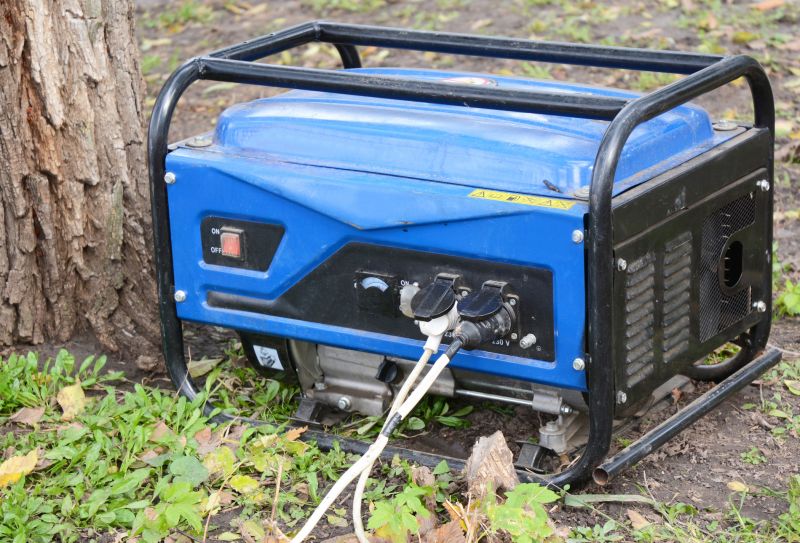
Generator Leak Repair Questions
What causes generator leaks? Leaks can result from damaged seals, cracked components, or corrosion over time.
How can I tell if my generator is leaking? Visible fluid pooling or dampness around the generator are common signs of a leak.
Is leak repair necessary for generator safety? Yes, addressing leaks promptly helps prevent further damage and ensures proper operation.
What types of leaks are typically repaired? Common repairs include fixing gasket failures, sealing cracks, and replacing worn-out hoses or fittings.
Request Generator Leak Repair in Provo, UT
Use the quote form on this page to share the basics of your project and request more information for the type of work you need.